Apollo acquires pre-clinical testing facility
Wednesday, 28 September, 2005
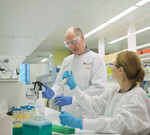
Recently listed Sydney biopharma Apollo Life Sciences (ASX:AOP) has acquired a fully operational pre-clinical testing facility in Sydney, including equipment and staff with expertise in targeted and topical drug delivery.
"The acquisition is an exciting opportunity for Apollo," said Apollo chairman and CEO John Priest in a statement. "It considerably extends our capability by expanding our scientific skill base and infrastructure."
According to Priest the three year old facility which originally housed the Australian arm of Texan company, Access Pharmaceuticals, will cost Apollo AUD$300,000 to lease and retain existing staff. The registered facility, which was previously used for the development of Access Pharmaceutical's tumour targeting therapies, includes an organic chemistry laboratory and an analytical laboratory, and has a formally constituted ethics committee.
"Establishing an equivalent new facility would cost more than $3 million. This represents immediate savings to Apollo, while allowing the company to accelerate its growth," he continued.
Apollo listed on the ASX in June -- heavily oversubscribed it raised $9.5 million.
Apollo produces a range of natural human protein-based therapeutics for ageing and immune-system disorders including Alzheimer's disease, rheumatoid arthritis, multiple sclerosis and psoriasis, and chronic viral infections like hepatitis C. Apollo will also be targeting sales in anti-aging cosmetics.
"Apollo's immediate goal is to target revenue streams before the end of the year from its range of products in the anti-ageing/cosmetics and research reagents markets and this acquisition helps achieve that," he said.
Heart muscle regeneration genes mapped
Researchers have uncovered insights into how stem cells develop and mature into heart muscle...
The cause of 2022's mpox outbreak revealed
Researchers have discovered that the strain of mpox behind the 2022 outbreak was a weakened form...
New gene therapy treats liver disorder in growing children
Researchers have developed a genome-editing approach that repairs a faulty gene directly at its...